


24 December 2025
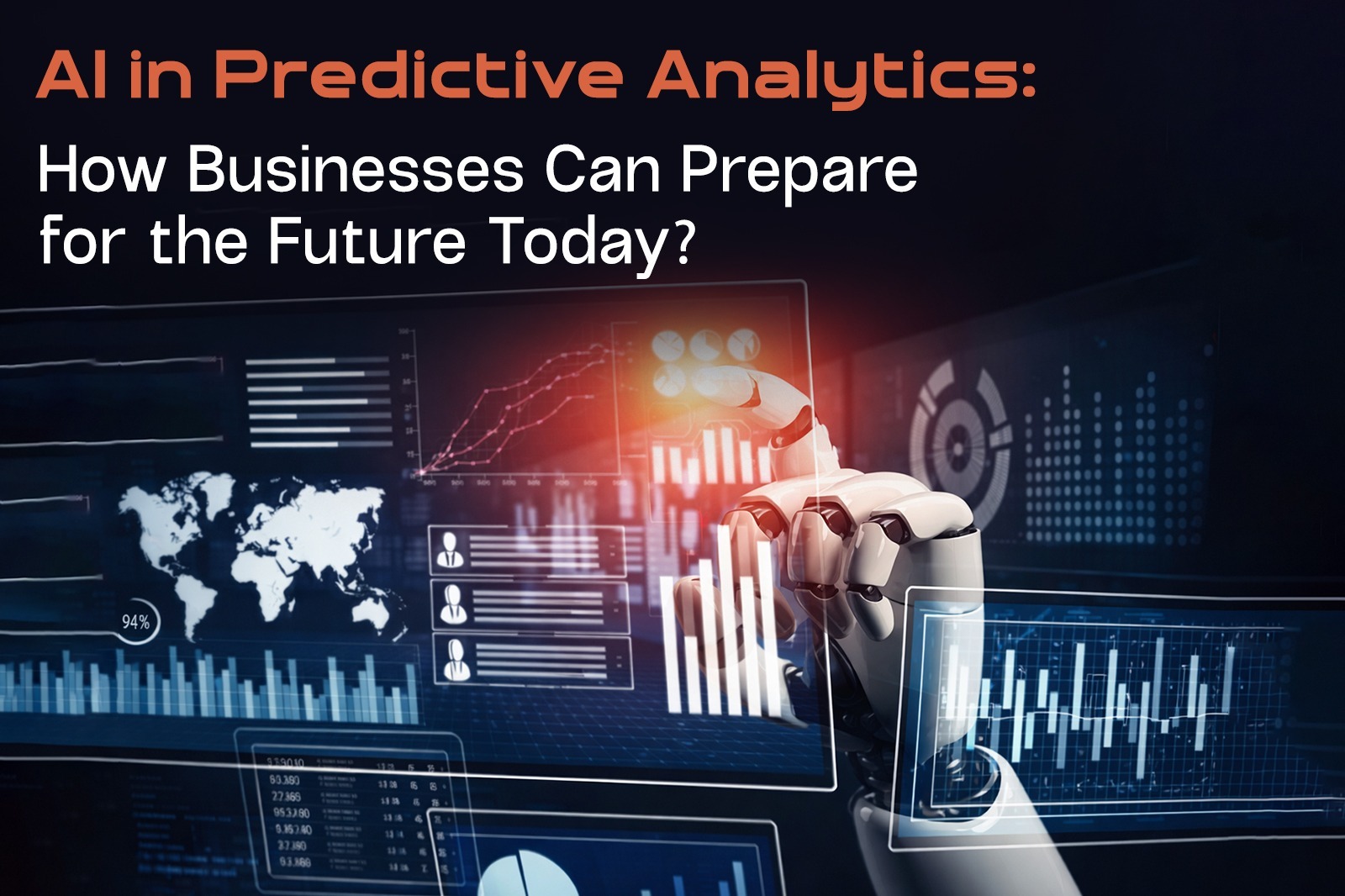
AI in Predictive Analytics: How Businesses Can Prepare for the Future Today?
Data has evolved from a record-keeping resource into a powerful driver of business strategy. Organizations no longer want reports that only explain past performance — they want insights that help them anticipate what lies ahead. This growing need has made AI-powered predictive analytics one of the most valuable tools for modern businesses.
Predictive analytics uses historical data, patterns, and statistical models to forecast future outcomes. When artificial intelligence is added to the process, predictions become faster, smarter, and more accurate. Businesses that adopt AI in predictive analytics early are better prepared to manage risks, optimize operations, and plan growth with confidence.
This article explains how AI-driven predictive analytics works, why it matters, and how businesses can prepare for the future today.
What Is AI-Powered Predictive Analytics?
Predictive analytics focuses on identifying patterns in historical data to forecast future trends or behaviors. Traditional models relied heavily on static rules and manual analysis. AI changes this approach completely.
With machine learning and advanced algorithms, AI-based predictive analytics systems:
-
Learn continuously from new data
-
Adapt to changing business conditions
-
Identify complex patterns that humans may overlook
For example, AI can help businesses predict equipment failures, customer churn, security risks, or demand fluctuations well before they occur. Solutions and use cases showcased on the Ispeck website demonstrate how AI analytics converts raw data into actionable business intelligence.
Why Predictive Analytics Is Critical for Business Growth
Modern business environments are increasingly unpredictable. Market fluctuations, evolving customer expectations, operational risks, and supply chain disruptions demand faster and more accurate decision-making.
AI-driven predictive analytics helps organizations:
-
Reduce uncertainty in planning
-
Improve forecasting accuracy
-
Detect risks at an early stage
-
Make proactive, data-driven decisions
Instead of reacting to problems after they happen, businesses can act before issues escalate — saving time, cost, and resources.
Key Business Areas Benefiting from AI Predictive Analytics
1. Operations and Predictive Maintenance
In manufacturing, infrastructure, and logistics, AI analyzes sensor data and operational patterns to forecast equipment failures. Predictive maintenance reduces downtime, improves safety, and extends asset life.
2. Customer Behavior and Demand Forecasting
AI enables businesses to predict customer preferences, buying behavior, and churn risks. This allows organizations to personalize experiences, optimize inventory, and improve customer retention.
3. Security and Risk Detection
AI-powered predictive analytics identifies abnormal behavior and potential threats in real time. This proactive approach improves surveillance, safety, and compliance across industries.
4. Financial Planning and Revenue Forecasting
By analyzing historical financial data, market signals, and seasonal trends, AI helps businesses forecast revenue more accurately and plan budgets with confidence.
How AI Enhances Traditional Predictive Analytics
Traditional analytics systems struggled with large volumes of data and unstructured inputs such as images, video feeds, and sensor streams. AI removes these limitations.
AI-powered predictive analytics:
-
Processes massive datasets efficiently
-
Analyzes structured and unstructured data
-
Reduces false alerts using contextual understanding
-
Improves prediction accuracy over time
Advanced AI analytics platforms highlighted on the Ispeck website show how existing systems can be transformed into intelligent, future-ready decision engines without major infrastructure changes.
How Businesses Can Start Preparing Today
1. Strengthen Data Quality and Collection
Reliable predictions depend on reliable data. Businesses should focus on:
-
Real-time data capture
-
Consistent data formats
-
Secure and integrated data pipelines
Even small improvements in data quality can significantly enhance predictive outcomes.
2. Start with High-Impact Use Cases
Rather than implementing AI everywhere at once, organizations should begin with focused applications such as:
-
Predictive maintenance
-
Demand forecasting
-
Safety and risk detection
These early wins build confidence and encourage wider adoption.
3. Adopt Scalable AI Analytics Platforms
Modern AI solutions can integrate with existing cameras, sensors, and enterprise systems. This makes predictive analytics accessible without heavy infrastructure investments.
4. Build a Data-Driven Decision Culture
AI insights are most valuable when teams understand how to use them. Training employees to interpret predictions and combine them with human expertise ensures better outcomes.
Common Misconceptions About AI Predictive Analytics
-
“AI is only for large enterprises.”
Scalable AI analytics solutions are now accessible to businesses of all sizes. -
“We need perfect data to start.”
AI models improve accuracy over time, even with imperfect datasets. -
“AI replaces human decision-making.”
AI supports better decisions; it does not replace human judgment.
The Future of Predictive Analytics with AI
Predictive analytics is evolving toward prescriptive intelligence, where AI not only predicts outcomes but also recommends actions. Businesses that adopt predictive analytics today will be better positioned to leverage these advanced capabilities in the future.
Future-ready organizations will:
-
Anticipate risks instead of reacting to them
-
Continuously optimize operations
-
Make faster, smarter decisions
AI in predictive analytics is no longer a future concept — it is a present-day business necessity. Organizations that act now can gain deeper insights, reduce uncertainty, and stay ahead in competitive markets.
By strengthening data foundations, choosing the right AI tools, and starting with practical use cases, businesses can prepare for the future today.
Predicting what comes next is no longer guesswork. With AI-powered predictive analytics, it becomes a strategic advantage.
Latest Post
Video Analytics for Workplace Safety: What It Is and Why Your Business Needs It?
How Businesses Identify the Best Image Processing Company in India for Long-Term Success?
How to Identify the Best Video Analytics Company in India for AI-Driven Surveillance?

Best Video Analytics Company in India: A Complete Buyer’s Guide for Enterprises
Why AI-Powered Video Analytics Is Becoming Essential for Modern Enterprises?
How AI and Data Analytics Are Helping Businesses Make Smarter Decisions?

Why Traditional CCTV Fails in Real-Time Threat Detection?
Video Analytics vs AI Surveillance – What Most Businesses Get Wrong?
Best Computer Vision Company in India for Businesses of All Sizes
Choosing the Best Video Analytics Company in India: Key Points to Check

From Watching to Protecting: How Video Analytics Ensures Workplace Safety?
Beyond Human Eyes: How Computer Vision is Transforming the Next Generation of Workplace Safety?
When Cameras Start Thinking: How AI Is Transforming Modern Surveillance?
Can Predictive Analytics Really Help Your Business Grow?
From Cameras to Clarity: How Enterprises Turn Raw Footage into Real-Time Business Intelligence?
Why Edge + AI Is the Future: Real-Time Intelligence for a Smarter, Safer Enterprise?

Smart Solutions Behind Mega Infrastructure: Making Complexity Look Easy

Is Your Workplace Really Safe? Discover How Smart Surveillance is Changing Safety Standards
Curious How AI Can Simplify Finance? Explore Compliance, Risk, and Seamless Integrations
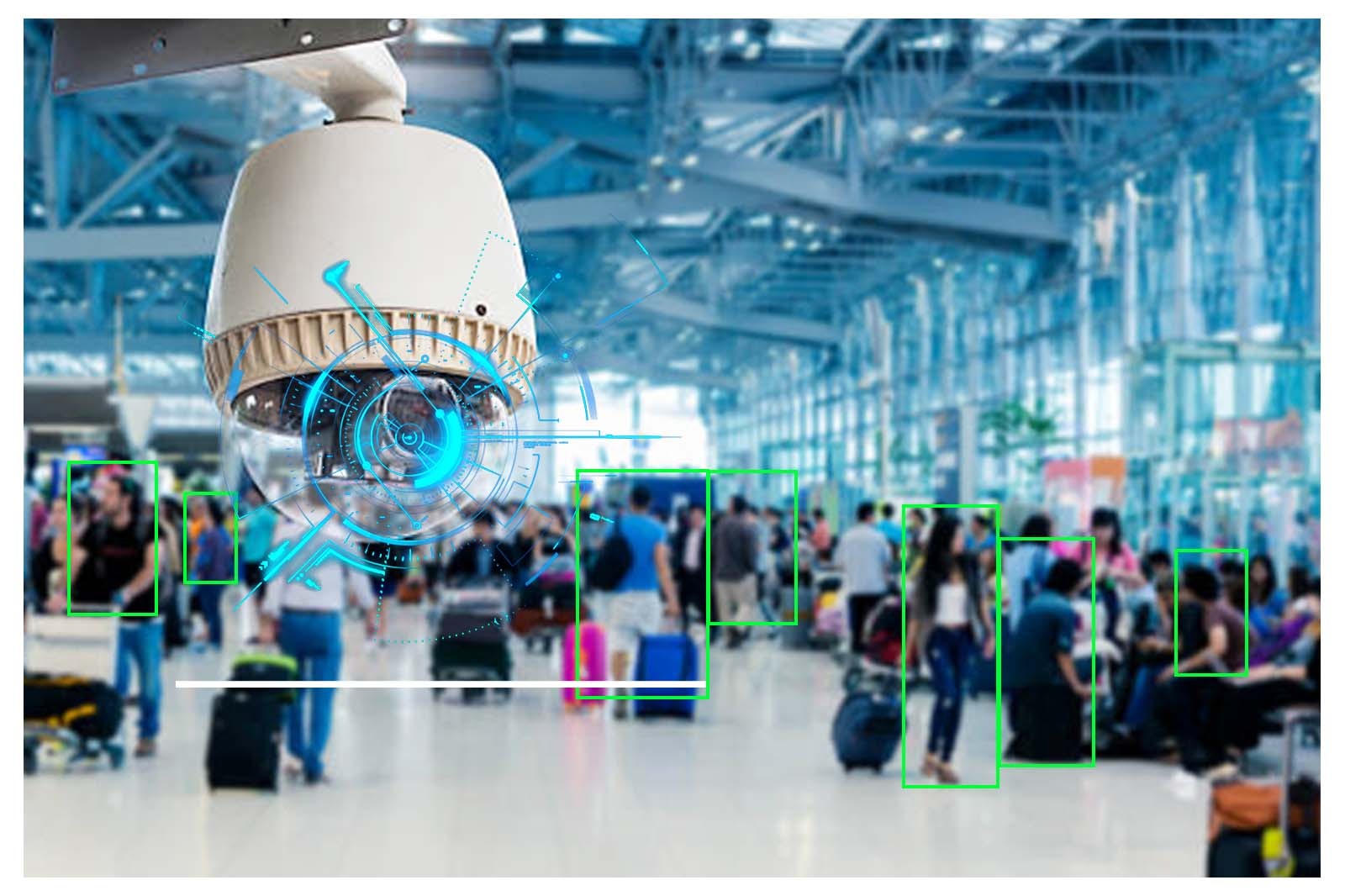
How AI Video Analytics is Transforming Large Infrastructure, Ports, Airports, and Smart Cities?

Retail Revolution: How AI Powered Video Analytics Can Drive Success

Leveraging AI in Manufacturing for enhanced Safety, Efficiency and Innovation


